



Workers Compensation
We consistently obtain substantial
settlements without a lengthy trial.

Personal Injury
Maximizing your
injury compensation.

Wrongful Death
Helping you pursue a claim against the other
party’s insurance company for your loss.
Recent News
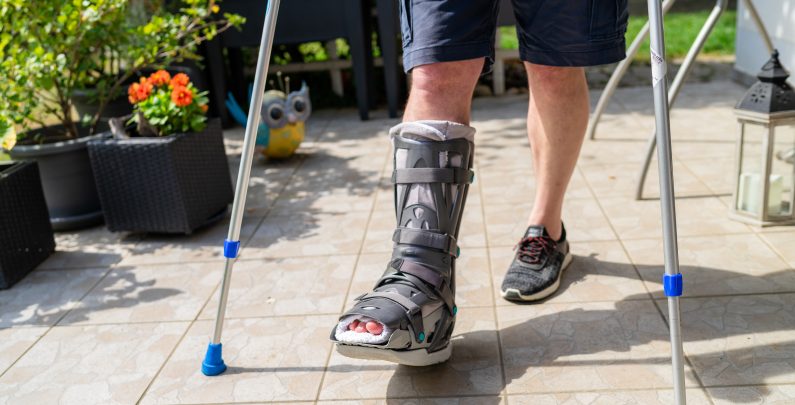
What Are Possible Complications of a Broken Fibula?
A fibula fracture might seem like a straightforward injury, but it can lead to numerous complications if not properly treated. At Brassfield & Krueger, Ltd., we’ve spent over 75 years representing victims of broken bones, witnessing firsthand how even a simple fracture can snowball into a complex medical issue. Understanding the potential complications of a broken fibula is critical for treatment and, if applicable, securing the financial compensation needed to cover associated costs. This blog will detail these risks to help you stay informed and prepared.
What Is a Fibula Fracture?
Before exploring complications, it’s important to understand the injury itself. The fibula is the thinner of the two bones in your lower leg, sitting alongside the tibia. Though less weight-bearing than the tibia, the fibula plays an essential structural role, particularly in stabilizing the ankle.
Common causes of fibula fractures include:
- Car accidents causing high-impact trauma.
- Slips and falls leading to injuries.
- Workplace accidents resulting in stress fractures or other damage.
Fibula fractures can range from minor stress cracks to severe breaks involving bone displacement or the skin being punctured (open fractures). Regardless of severity, prompt medical intervention is crucial to avoid complications.
Immediate Complications of a Fibula Fracture
Right after sustaining a fibula fracture, there are immediate risks that require careful management. Ignoring these can lead to further complications:
Severe Pain and Swelling
A broken fibula can cause intense pain and swelling around the fracture site. If not quickly addressed, this swelling may lead to restricted blood flow, impacting recovery.
Weight-Bearing Limitations
A fractured fibula often makes walking or standing on the injured leg nearly impossible, affecting mobility and daily activities. Attempting to bear weight without proper stabilization can worsen the injury.
Open Fractures and Infection Risks
If the fracture results in the bone breaking through the skin, the risk of infection skyrockets. Open fractures require immediate surgical intervention to prevent bacteria from entering the wound and causing complications such as osteomyelitis (bone infection).
Nerve and Blood Vessel Damage
A severe break can puncture surrounding tissues, damaging blood vessels and nerves. This can lead to numbness, tingling, or in extreme cases, permanent loss of sensation or mobility in the affected area.
Short-Term Complications
While the initial treatment typically aims to stabilize the injury, short-term complications can arise during the healing phase:
Delayed Union or Nonunion
Delayed union occurs when the bone takes longer than usual to heal, while nonunion refers to the bone failing to heal altogether. Both conditions impede recovery and may require surgical intervention to correct.
Malunion (Improper Healing)
Malunion occurs when the bone heals in an incorrect position. This can lead to ongoing pain, limited mobility, or a visibly deformed leg. Additional surgery may be necessary to realign the bone.
Compartment Syndrome
Although rare, compartment syndrome is a serious complication involving excessive pressure within the muscles, reducing blood flow to the area. If untreated, it can cause permanent muscle and nerve damage.
Blood Clots (Deep Vein Thrombosis – DVT)
Immobility after a fracture can increase the risk of blood clots forming in the legs. If these clots travel to the lungs (pulmonary embolism), they can become life-threatening.
Long-Term Complications
Even after the bone heals, the effects of a fibula fracture can extend into the long term, altering your quality of life:
Chronic Pain
Pain might persist long after the fracture heals, particularly if structural complications like malunion or nerve damage are left unaddressed.
Arthritis
An improperly healed fibula fracture, particularly one involving the ankle or knee joints, can expedite the development of arthritis. This condition causes joint inflammation and pain, often requiring lifelong management.
Gait Abnormalities
Improper healing or muscle weakness can throw off your walking pattern, straining other parts of your body and causing further issues in the hips, knees, or lower back.
Muscle Weakness and Atrophy
Prolonged immobility during recovery can lead to muscle atrophy (loss of muscle mass) in the injured leg. Physical therapy is often required to restore strength and functionality.
Treatment-Related Complications
While treatments aim to resolve a fibula fracture, they come with their own potential complications:
Cast-Related Issues
Casts can lead to pressure sores, skin irritation, or even impaired circulation if applied poorly or left on too long. Your healthcare provider should evaluate persistent discomfort.
Surgical Complications
If surgical intervention is required, risks include infection, hardware failure (e.g., screws or plates coming loose), or complications from anesthesia.
Anesthesia Complications
For those who undergo surgery, reactions to anesthesia can occur, ranging from mild symptoms like nausea to more severe responses such as breathing difficulty.
Get the Compensation You Need to Recover
A broken fibula is far more serious than a minor injury—it can lead to severe complications if not properly treated. When someone else’s negligence caused your injury, having strong legal representation is crucial to secure the compensation you need. Without it, you could be left shouldering overwhelming medical bills and other costs alone. At Brassfield & Krueger, Ltd., we’re here to help you pursue comprehensive compensation for all the challenges that come with your injury so you can focus on recovery with peace of mind. Contact us today to schedule a consultation.
Related News
How to Hold Illinois Property Owners Accountable for Unsafe Conditions
When you visit a local business or stop by a neighbor’s home, you reasonably expect the environment to be safe.…Read More
What Does Workers’ Compensation Actually Cover?
Sustaining an injury on the job brings immediate chaos to your life, replacing your daily routine with physical pain, medical…Read More
What Happens If an Uninsured Driver Hits Me?
The moments after a car accident are filled with fear and stress. When you discover the driver who hit you…Read More
Schedule A Free No Obligation Consultation
For your convenience, we have offices in Rockford and Streator.

Attorney Advertising. This information is designed for general information only. The information presented should not be construed to be formal legal advice nor the formation of a lawyer/client relationship. Past results and testimonials are not a guarantee, warranty, or prediction of the outcome of your case, and should not be construed as such. Past results cannot guarantee future performance. Any result in a single case is not meant to create an expectation of similar results in future matters because each case involves many different factors, therefore, results will differ on a case-by-case basis. By providing contact information, users acknowledge and give explicit consent to be contacted via the methods of communication provided, including SMS. Message and data rates may apply. Message frequency may vary. Reply STOP to opt out.
NUVEW | Copyright 2026 - All Rights Reserved | Accessibility Notice | Privacy Policy