



Workers Compensation
We consistently obtain substantial
settlements without a lengthy trial.

Personal Injury
Maximizing your
injury compensation.

Wrongful Death
Helping you pursue a claim against the other
party’s insurance company for your loss.
Recent News
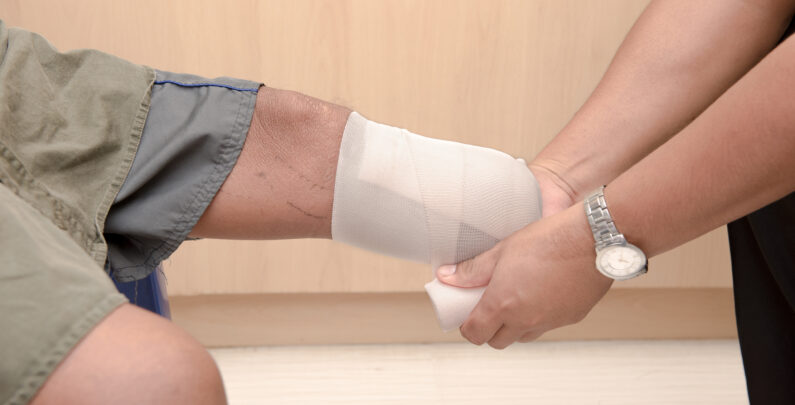
How Amputation Injuries Change Your Claim Value
Losing an arm, leg, hand, or foot changes everything about daily life. Simple, daily tasks become difficult or impossible, and working may no longer be an option. On top of it all, the costs for medical bills, physical therapy, or prosthetics rarely end after your wound heals. In these times, you may be able to file a claim. A fair claim accounts for:
- Surgeries, rehabilitation, prosthetics, and future replacement costs
- Lost income and reduced future earning capacity
- Permanent disability, disfigurement, pain, and loss of normal life
- Medical, vocational, and life-care evidence to support the full value
If you or a family member is facing this kind of issue, knowing what may impact your claim can help you avoid settling for far less than what you actually need. Our team at Brassfield & Krueger is ready to guide you through this difficult time.
How Do Surgeries, Rehabilitation, Prosthetics, and Future Replacement Costs Affect an Amputation Claim?
Amputation cases involve more than a single hospital bill. Most people go through several distinct phases of care, and each one adds real cost to the claim. Here are common ways that these costs impact your claim:
- Emergency and surgical care: The initial amputation surgery, plus any follow-up procedures to address complications or prepare the limb for a prosthetic.
- Rehabilitation: Physical therapy and occupational therapy to rebuild strength, balance, and independence.
- Prosthetic devices: Initial devices, plus fittings, adjustments, and training on how to use them.
- Future replacements: Prosthetics wear out. Depending on activity level and the type of device, a prosthetic limb may need replacement every few years for the rest of a person’s life.
A single prosthetic can cost tens of thousands of dollars, and replacing it every three to five years for the next 30 or 40 years adds up fast. An accurate claim has to project these costs forward, not just account for what has already been spent.
How Are Lost Income and Reduced Future Earning Capacity Calculated After the Loss of a Limb?
For someone in a physically demanding role, like construction or manufacturing, an amputation might end that career altogether. Even in less physically demanding jobs, fatigue, chronic pain, or the need for frequent medical appointments can reduce productivity and advancement opportunities. Calculating compensation involves looking at:
- Age and expected years remaining in the workforce
- Prior salary and career trajectory
- Physical demands of the job before the injury
- Availability of positions that accommodate the new limitation
Vocational experts often project what a person’s earnings would have looked like without the injury, then compare that to a realistic outlook after amputation. Having an attorney by your side is essential to making sure your rights are protected.
How Can Permanent Disability, Disfigurement, Pain, and Loss of Normal Life Affect Compensation?
Beyond medical bills and lost income, amputation carries damages that don’t come with a receipt. Illinois law recognizes these as non-economic damages, and they often account for a significant portion of a claim’s total value. Here’s what you should know:
- Permanent disability: The lasting physical limitation caused by the loss of a limb.
- Disfigurement: The visible, permanent change to a person’s body.
- Pain and suffering: Physical pain, including phantom limb sensations that many amputees experience long after surgery.
- Loss of normal life: The inability to do things that once brought enjoyment or fulfillment, whether that’s a hobby, a sport, or simply moving through the day without extra effort.
These damages are harder to put a number on than a hospital invoice, but they are just as real. A claim that ignores them fails to reflect what the person actually lost. Having an attorney can help you determine next steps.
What Medical, Vocational, and Life-Care Evidence Is Needed To Establish the Claim’s Full Value?
Proving the true cost of an amputation claim takes more than medical records from the hospital stay. You will also have to show how your injury affects your life going forward. Strong claims typically include:
- Complete medical documentation: Records from surgery through ongoing treatment, including prosthetic fittings and physical therapy notes.
- Life-care plans: A detailed projection, often prepared by a medical professional, outlining future medical needs, prosthetic replacements, and associated costs over the person’s expected lifespan.
- Vocational assessments: Expert evaluation of how the injury affects the person’s ability to work now and in the future.
- Personal testimony: Statements from the injured person and their family about how daily life has changed.
Without this kind of documentation, an insurance company has little reason to offer anything beyond a baseline settlement. With it, a claim reflects the real, lasting impact of the injury.
Get Help Evaluating Your Amputation Claim
Amputation changes a person’s life in ways that go far beyond the initial injury. A fair settlement has to account for years, often decades, of ongoing costs and challenges. If you or a family member is dealing with limb loss after an accident, the attorneys at Brassfield & Krueger can review the details of what happened and help you understand what your claim may be worth. Contact our team today to schedule a free consultation.
Related News
How Amputation Injuries Change Your Claim Value
Losing an arm, leg, hand, or foot changes everything about daily life. Simple, daily tasks become difficult or impossible, and…Read More
How Are Damages Calculated in Catastrophic Injury Cases?
A severe injury changes more than your health. It changes your income, your family's routine, and your sense of what…Read More
Can Equipment Manufacturers Be Liable for Construction Accidents?
Sometimes, you know something went wrong before you know exactly what went wrong. Maybe the excavator was making a strange…Read More
Schedule A Free No Obligation Consultation
For your convenience, we have offices in Rockford and Streator.

Attorney Advertising. This information is designed for general information only. The information presented should not be construed to be formal legal advice nor the formation of a lawyer/client relationship. Past results and testimonials are not a guarantee, warranty, or prediction of the outcome of your case, and should not be construed as such. Past results cannot guarantee future performance. Any result in a single case is not meant to create an expectation of similar results in future matters because each case involves many different factors, therefore, results will differ on a case-by-case basis. By providing contact information, users acknowledge and give explicit consent to be contacted via the methods of communication provided, including SMS. Message and data rates may apply. Message frequency may vary. Reply STOP to opt out.
NUVEW | Copyright 2026 - All Rights Reserved | Accessibility Notice | Privacy Policy